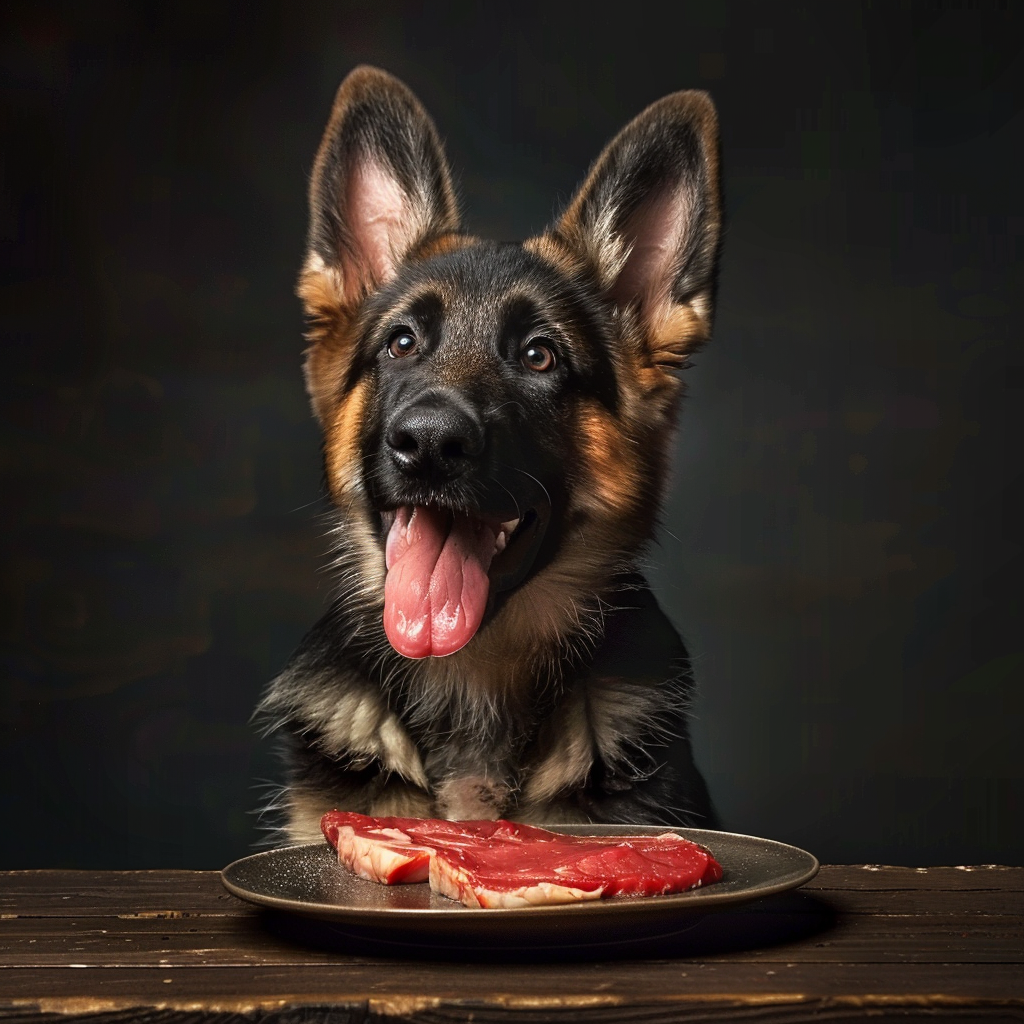
When you bring home a new puppy that was not raised on raw, don't be intimidated. Often times puppies take to raw easily and eagerly. There are just a few guidelines to follow to avoid digestive upset as your puppy transitions from kibble to raw food.
Kibble requires a different pH in the gut to digest, therefore it will make your puppy more susceptible to the bacteria in the raw meats. It is safe for a puppy to eat raw, but because of this difference between kibble and raw food, it is not recommended to mix them in the same meal.
Giving raw bones to puppies is totally safe when providing the appropriate size cuts for the size and age of the dog. Smaller bones are recommended to start with, working up to larger bones as your puppy grows. Never give weight-bearing bones of large animals (i.e. marrow bones, knuckle bones) to avoid potential damage to their teeth. If you have a puppy you are weaning from the mother, raw grinds with bone mixed in are recommended in the beginning until the puppy can begin chewing whole foods.
Important things to remember:
| 2–4 months old | 4–6 months old | 6–8 months old | 8–12 months old |
|---|---|---|---|
| 8%–10% of current body weight | 6%–8% of current body weight | 4%–5% of current body weight | 3%–4% of current body weight |
| Feed 3 times daily | Feed 3 times daily | Feed 2 times daily | Feed 2 times daily |
When puppies are four to six months old, they will need a lot of food and a good amount of calcium because they are building their adult teeth. If they don't get enough calcium at this critical stage, they will pull calcium from their bones, which can cause bone or dental deformities. Give a few extra bones at this age. Only raw bones — never cooked ones, as cooked bones split and can damage a puppy's digestive tract.
If your puppy doesn't eat all the food, there is no need to be concerned. Weigh what remains and save it for the next feeding. Keep a close eye on the puppy's body condition during this period — percentages and feeding schedules may need to be adjusted. These are starting guidelines.
Young puppies are known to contract parasites after birth. If your puppy shows constant signs of GI upset, it is advisable to visit a vet and be tested for possible parasites and protozoa, which are a common cause of frequent diarrhea in puppies.
It is always best to start with one protein source and give it for about one week. If there are no signs of GI upset you can start introducing another source of protein.
There are instances where a puppy cannot tolerate organs and red meat initially, resulting in GI upset. In these cases, start introducing red meat and organs slowly. Wait until you see a good two or more weeks of solid stools before introducing organ meats. However, if diarrhea persists, use a more conservative approach and introduce raw proteins slower.
Even though the 70/10/10/10 diet is designed to give dogs everything they need, agricultural soils have been seriously depleted for decades, affecting the whole food chain. Additionally, conventional vitamins are often synthesized from crude oil and coal and can be less beneficial — or even damaging — to our pets. Consider adding whole food vitamin supplements to your dog's diet.
The following supplements can be included on a daily basis and rotated throughout a month (1–2 weeks on, then switch to others):
It may be a bit trickier to switch adult dogs to raw. Dogs love fat, sweet, and salt — and processed pet foods (kibble) contain those addictive ingredients to cover up the taste of poor-quality ingredients. Dogs can have a hard time giving them up.
Kibble also requires a different pH in the gut, so dogs eating kibble have lower stomach acidity. Do not mix kibble and raw in the same feeding. The safest transition is to move gradually from kibble to cooked meals (preferably slow-cooked to preserve nutritional value), then from cooked meals to raw. Some pets may transition in three days; some may take three weeks.
Once you've stopped giving kibble, start with your first raw protein. White meat is recommended to start — chicken, turkey, or rabbit. Add extra bones to the first couple of meals to help firm stools if they are loose. Never give a cooked bone to a dog — cooked bones split and can damage the digestive tract. Feed portions appropriate to your dog's size: small dogs do well with chicken wings, drumsticks, and necks; medium to large dogs can eat leg quarters, backs, or half breast.
Time to add another protein. Red meat is very important in a raw diet and should be introduced after a successful week on white meat. Add beef, lamb, or goat in small amounts and gradually increase over a few days. If stools remain firm and regular, move on to the next step.
Now you can introduce organs. Organs are very rich, so start small and gradually increase to the recommended amounts. If stool is firm and dark, that is expected. If stool is loose and dark, you've fed too much organ — decrease organ content and add a little more bone to firm up stools.
Follow the recommended ratio of 70% meat · 10% organs · 10% bone · 10% veggies/fruit to ensure your dog is receiving the essential nutrients needed. The recommended amount to feed is 2–3% of your dog's body weight. Very active dogs may need slightly more; less active dogs may need slightly less. Our team is here to assist you with portioning and balancing individual meals.